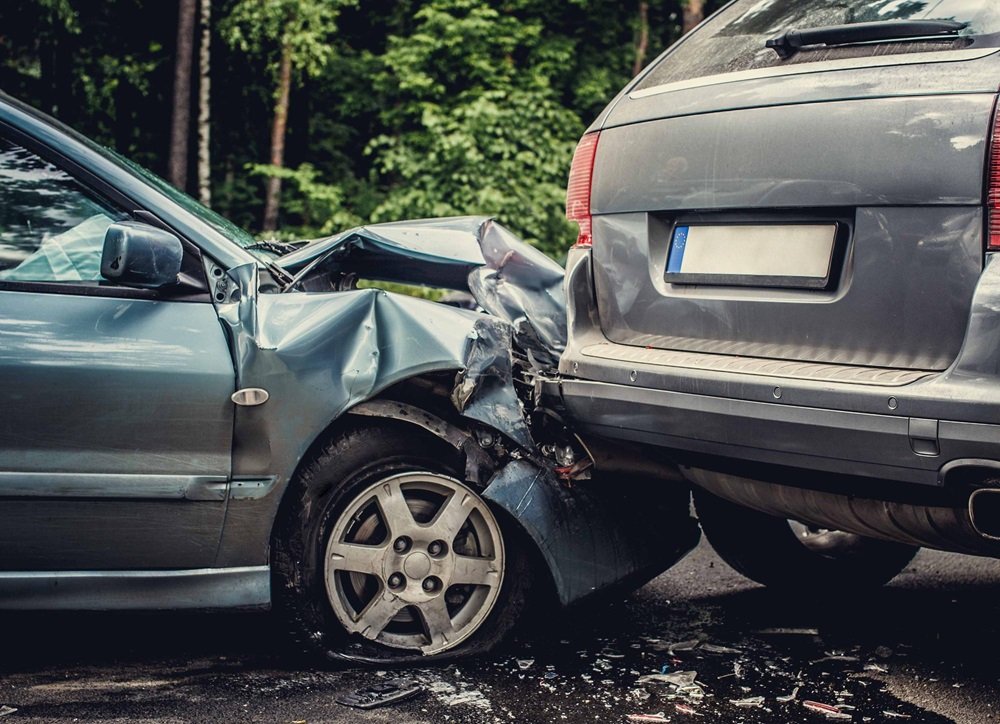
10 Signs a Used Car Has Been Involved in an Accident
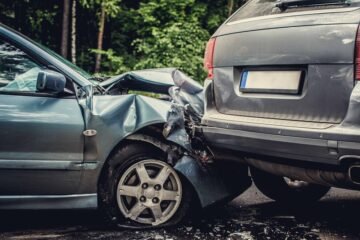
One of the biggest concerns for any buyer is purchasing a vehicle that has been involved in a serious accident without knowing it. While many accident-damaged vehicles are repaired and returned to the road, not all repairs are done properly. Some cars may have hidden structural damage that affects safety, performance, and resale value.
The good news is that you don’t need to be a professional mechanic to spot some of the common warning signs.
In this guide, we’ll look at 10 signs a used car may have been involved in an accident and what you should check before making a purchase.
1. Uneven Paint Color or Finish
One of the easiest signs to spot is inconsistent paintwork. Walk around the vehicle and compare the color and finish of each panel.
Watch out for:
- Slightly different shades of paint
- Dull areas next to shiny areas
- Overspray on rubber trims or windows
- Paint bubbles or rough textures
A freshly repainted panel doesn’t always mean the car was in an accident, but it should prompt further investigation.
2. Uneven Gaps Between Body Panels
Manufacturers design vehicles with consistent spacing between body panels.
Inspect the gaps between:
- Doors
- Hood (bonnet)
- Boot lid
- Front fenders
If one side has larger gaps than the other, it may indicate previous collision damage or poor repair work. Uneven panel alignment is often a sign that bodywork has been carried out.
3. Mismatched Headlights or Taillights
Take a close look at the headlights and taillights.
Questions to ask:
- Do they appear to be the same age?
- Are the brands matching?
- Is one noticeably newer than the other?
After an accident, damaged lights are often replaced. A brand-new headlight on one side and an older one on the other may suggest previous collision repairs.
4. Welding Marks Inside the Engine Bay
Open the bonnet and inspect the engine compartment carefully.
Look for:
- Fresh welding marks
- Uneven metal surfaces
- New sealant in unusual areas
- Bent metal components
These signs could indicate that structural repairs were made after a crash. Poor-quality welding can affect the vehicle’s safety in future accidents.
5. Signs of Chassis Damage
The chassis is the vehicle’s structural foundation. Any damage to the chassis should be taken seriously.
Possible warning signs include:
- Visible bends
- Cracks
- Fresh paint around the frame
- Uneven underbody components
If you suspect chassis damage, have the vehicle inspected by a qualified mechanic before proceeding.
6. Steering Pulls to One Side
During a test drive, release the steering wheel briefly on a straight road.
If the vehicle consistently drifts to one side, it may indicate:
- Poor wheel alignment
- Suspension damage
- Previous accident repairs
While alignment issues can occur naturally, they can also be a sign of hidden collision damage.
7. Uneven Tyre Wear
Check all four tyres carefully.
Look for:
- Excessive wear on one side
- Different wear patterns between tyres
- Tyres wearing out faster than expected
Uneven tyre wear may indicate suspension or alignment issues caused by a previous accident. It’s a small detail that often reveals bigger problems underneath.
8. Doors That Don’t Close Properly
Open and close every door, including the boot and bonnet.
Pay attention to:
- Difficulty closing
- Strange noises
- Doors rubbing against the frame
- Locks that don’t align properly
A vehicle involved in a side-impact collision may have alignment issues that affect door operation.
9. New Parts in One Area Only
When inspecting a used vehicle, look for areas where several components appear newer than the rest of the car. Parts include: New bumper, New fender, New grille, New mirrors
One replaced component may be normal. Multiple new parts clustered together often indicate previous accident repairs. Ask the seller about any replacement parts and request documentation if available.
10. Airbag Warning Lights or Missing Airbags
Modern vehicles are equipped with airbags designed to protect occupants during accidents. Turn on the ignition and observe the dashboard.
Watch for:
- Airbag warning lights that stay on
- Warning lights that never appear
- Signs that dashboard components have been removed or replaced
In some cases, damaged airbags are not properly replaced after a crash. This is a serious safety concern and should never be ignored.
Why Accident History Matters
Not every car that has been in an accident is a bad purchase. Many vehicles are repaired professionally and continue to perform well for years.
The problem arises when:
- Structural damage is hidden
- Repairs are poorly done
- Safety systems are compromised
- Sellers fail to disclose accident history
Knowing a vehicle’s history allows you to negotiate fairly and make an informed decision.
What Should You Do Before Buying?
Before purchasing any used vehicle:
Bring a Trusted Mechanic
An experienced mechanic can spot problems that most buyers miss.
Request Service Records
Maintenance and repair records can reveal previous accident repairs.
Conduct a Thorough Test Drive
Drive the vehicle on different road surfaces and pay attention to handling, steering, and braking.
Inspect in Daylight
Natural light makes it easier to spot paint inconsistencies and bodywork repairs.
Verify Ownership Documents
Ensure the logbook details match the vehicle and seller information.
Final Thoughts
Buying a used car in Uganda doesn’t have to be risky, but it does require careful inspection.
If you notice one or two of the signs mentioned above, don’t panic. Instead, ask questions, inspect further, and seek professional advice. However, if multiple warning signs appear together, it may be best to walk away and continue your search.
Remember, the goal isn’t necessarily to avoid every car that has ever been in an accident. The goal is to avoid buying a vehicle with hidden damage that could cost you money, compromise your safety, or reduce the car’s value in the future.
Taking a little extra time during inspection can save you from expensive surprises later and help you find a used car you can drive with confidence.